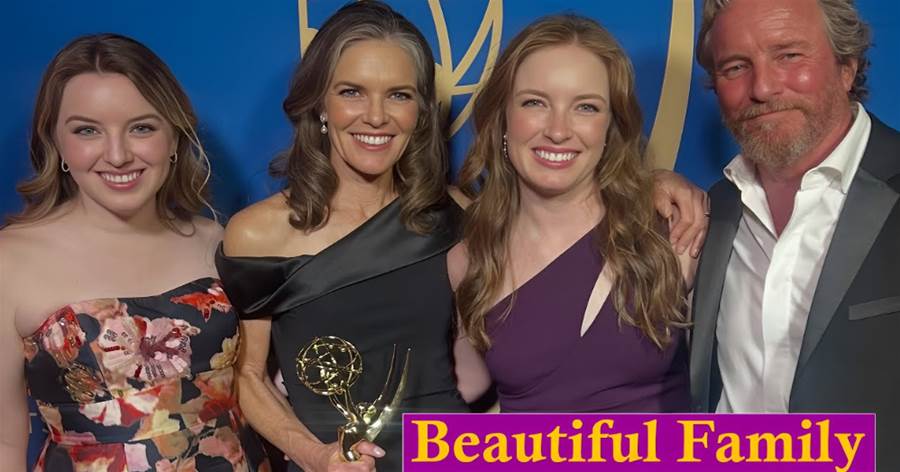
On a night built for glitz and soundbites, the loudest message wasn’t shouted from the stage—it was whispered in the wings: family wins. On October 17, 2025, at the Pasadena Civic Auditorium, Susan Walters—the force behind Diane Jenkins on “The Young and the Restless”—finally walked away with Outstanding Supporting Actress. Her husband, Linden Ashby, long remembered for playing Cameron Kirsten, arrived as a Guest Performer nominee.
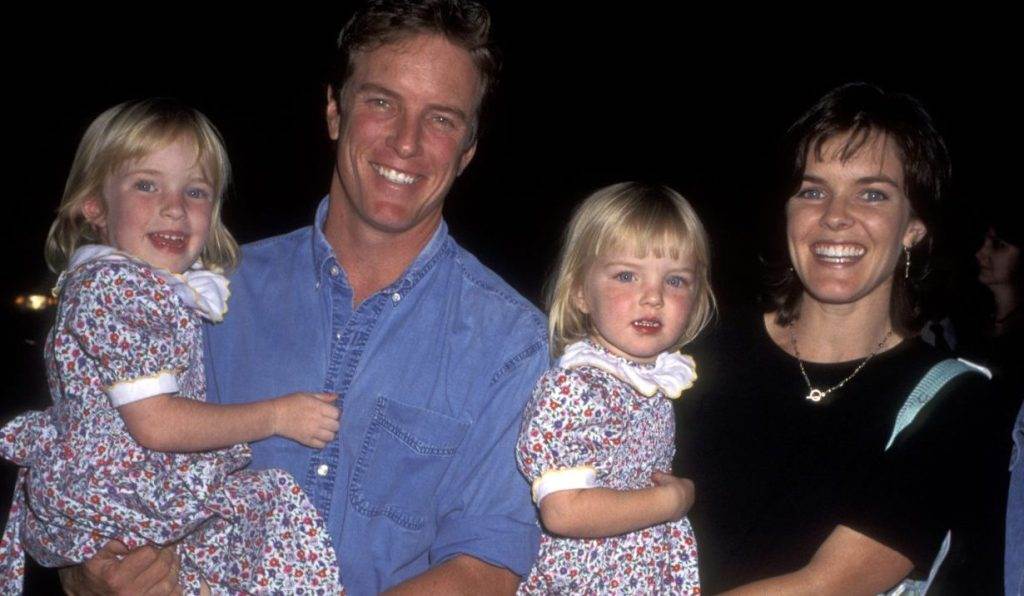
And hovering just beyond the photographers’ flashes were the pair’s daughters, Frances Grace and Savannah, grounding the moment with the kind of warmth that doesn’t need a spotlight to glow.
The Night That Looked Like a Movie, Then Felt Like Home
Emmy nights are usually all tempo: names rattled off, music cues, applause that never quite lands where it should.
This one unfolded differently. Every time a camera found Walters, she squeezed a hand, glanced to the side, or shared a smile that said, this win lives with us. The formalities were exactly what you’d expect—category read, name called, stunned breath—but the vibe around the couple told a sweeter story. He steadied her shoulders; she tugged him forward. The choreography of a long marriage played out in real time.
And the backdrop? A big night for daytime overall. General Hospital notched the marquee win, Drew Barrymore picked up her first Emmy, and yes, the new categories reminded everyone the medium keeps evolving. Inside that whirlwind, Walters’ victory felt less like a random gust and more like a front moving in: years of layered performance paying off exactly when they were meant to.
Meet the Daughters: Grace and Savannah, the Off-Camera Scene Partners
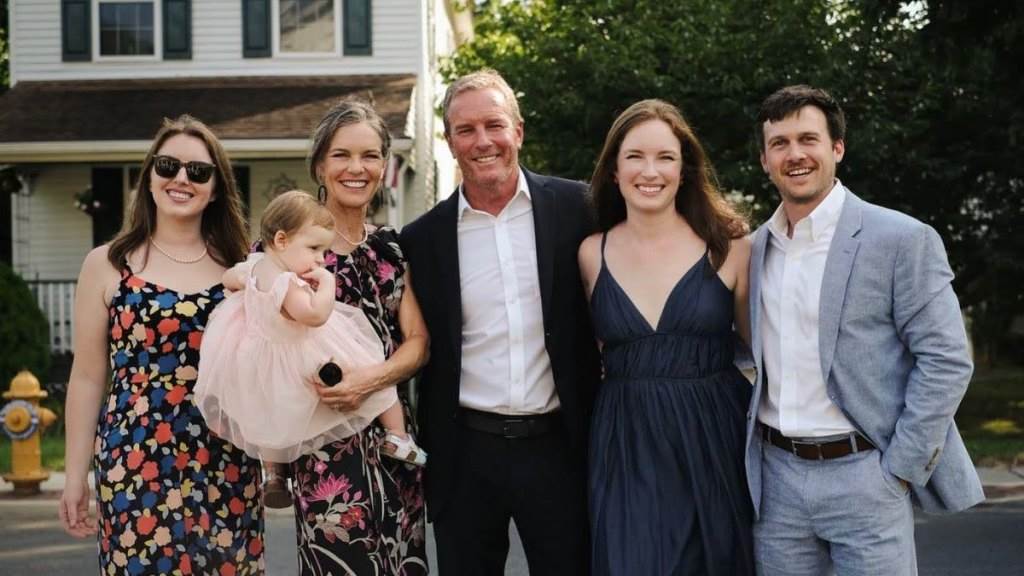
In the audience, Frances Grace and Savannah looked like every grown kid who’s ever watched a parent get their due: proud, a little teary, totally present. They are the quiet constant of the Walters–Ashby story, the ones who learned early that big nights only happen because of a thousand small days.
The family chapter grew again in 2022, when Grace welcomed daughter Nora Frances, turning Susan and Linden into doting grandparents and making life’s timelines feel happily out of order—diaper runs and red carpets coexisting with ease.
These are not tabloid darlings. They’re real-world anchors. Think check-ins from set, dinner calendars that shift around call sheets, and the kind of group text where logistics and jokes crowd each other for space.
It’s not about making a photo; it’s about making a life.
How Two Careers Learned to Breathe Together
Walters and Ashby built something Hollywood rarely pulls off: stability with velocity. They met in their daytime beginnings, married in 1986, and spent decades swapping the downstage center mark—he surging on a thriller, she returning to a soap in beast mode; she pushing through a heavy arc, he grabbing a memorable guest turn that set social feeds buzzing.
The trick isn’t magic; it’s rhythm. One goes hot, the other runs point at home. Then they switch. It’s why Walters’ return as Diane in 2022 could be so deftly sustained, and why Ashby’s turn as Cameron landed like a late-night knock at the door: unexpected, chilling, impossible to ignore.
Why Walters’ Win Mattered On Screen—and Beyond
Diane is not an easy role.
She is calculated charm wrapped around a raw, almost frightened honesty, the kind of character that must convince you of three truths at once—what she wants you to believe, what she believes herself, and what she can’t stop fearing. Walters let those layers show. A glance that lingers half a beat. A voice that tightens before the lie gets smooth. The award didn’t feel like a reward for scheming; it felt like recognition for humanity under pressure.
And on a craft level, the win tells the writers something fans already knew: Diane is a cornerstone again. Build stories around her contradictions—her fight response and her soft spots—and you’ll keep the audience invested. Pair that with Ashby’s perfected menace as Cameron (the way he circles a scene, never quite blinking), and you get that rare small-screen alchemy: a love story at home, a sparring match at work, a masterclass for daytime.
The Gossip We Actually Care About: What They Do When Cameras Cut
If you’re looking for scandal, look elsewhere. The Walters–Ashby family runs on ordinary rituals with extraordinary consistency: Sunday calls, quick coffee runs when one of them wraps early, a bike ride when they can squeeze it in, and the new grandparent rhythm—learning to keep a pacifier handy in a tuxedo pocket.
There’s humor, too. He’ll joke that she studies scripts like blueprints. She’ll joke that he never met a practical joke he didn’t want to escalate. The punchline is always the same: it works.
What Comes Next in Genoa City—and at Home
So where does this story go after the last flashbulb pops? Expect two tracks. On screen, Diane’s victory lap will be shorter than you think; characters with this much heat attract trouble like magnets.
Look for her to win something she doesn’t trust, and lose something she can’t live without. Off screen, it’s more of the same—by design. Grace and Savannah have their own lanes now, and Nora has given everyone a reason to keep nights like this in perspective.
The open question—the one that keeps fans buzzing—is whether life will imitate art again. Will Walters and Ashby share another storyline beat, just for the thrill of it? A scene across a table at Society, a near-miss in the GCAC lobby, a grandmother’s smile that reaches past a character’s secrets. Or will they keep the sweetest crossovers where they belong: at home, far away from the script pages?